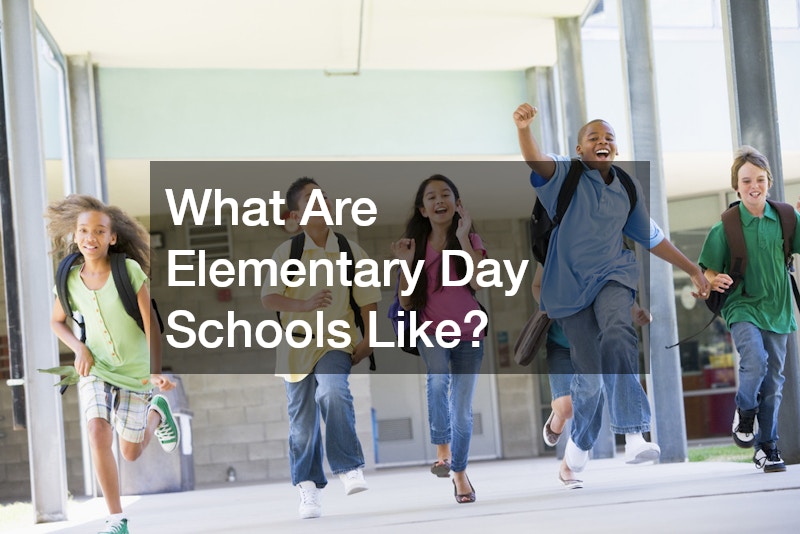
An elementary day school serves as a foundational stage in a child’s education journey, focusing on building core academic skills and social development. These schools are structured environments that cater to young learners typically from kindergarten through fifth or sixth grade. The environment is designed to be nurturing yet stimulating, preparing children to face academic challenges as they progress. In this article, we will explore the various aspects that make up elementary day schools, including the typical school day structure, how these schools meet different learning needs, available extracurricular activities, and the role of parents and guardians. Additionally, we will examine how student progress is assessed and the overall impact these schools have on child development.
What is the Typical Structure of a School Day?
The structure of a school day in elementary day schools is designed to provide a balanced combination of academics, arts, and physical activities. Generally, the day starts with a morning assembly where students gather for announcements, a pledge, or a short motivational speech. After the morning session, students transition to their classrooms where they begin their academic lessons, typically starting with core subjects like mathematics and language arts. Teachers often use a variety of teaching strategies to engage students, from interactive lessons to collaborative group work. Midway through the day, students enjoy a recess break, allowing them to refresh and engage in physical activities.
As the school day continues, students participate in lessons for other subjects like science, social studies, and sometimes foreign languages. Hands-on projects and technology integration are common practices to enhance learning and keep students engaged. The inclusion of arts in education, such as music and visual arts, plays a significant role, providing students not only academic skills but also creativity and expression. Physical education classes are scheduled to promote health and fitness, teaching children about teamwork and the importance of staying active. The structured timetable is aimed at providing a well-rounded education that equips students with necessary life skills.
The end of the school day often features additional classroom activities or wrap-up discussions led by teachers, allowing students to reflect on what they have learned. Homework or reading assignments might be given to reinforce the day’s lessons at home. As students prepare to leave, teachers might communicate with parents or guardians via notes or communication apps, ensuring they remain involved in the educational process. The routine nature of the school day provides children with a sense of stability and security, crucial elements for young learners. This structure helps lay the foundation for lifelong learning habits and discipline.
How Do Elementary Schools Address Different Learning Needs?
Elementary day schools are equipped to accommodate a diverse range of learning needs, ensuring that every student receives an education tailored to their abilities. Teachers employ differentiated instruction strategies to cater to the different learning speeds and styles of their students. Small group activities are organized to provide targeted support, particularly for students who may require additional help with certain subjects. Moreover, individualized education plans (IEPs) are designed for students with special educational needs, addressing specific goals and outlining the resources needed to assist them. Schools may also offer special assistance through resource rooms or specialist educators who work with students one-on-one.
Technology integration in the classroom is another powerful tool that supports varied learning needs, offering interactive and engaging ways for students to learn. Educational software can provide personalized learning experiences, adapting content to challenge advanced learners while offering extra practice for those who need it. Teachers are trained to recognize the signs of different learning disabilities, such as dyslexia or ADHD, and how to address them effectively within the classroom. By fostering an inclusive environment, elementary day schools strive to ensure that no child is left behind. Special workshops and training sessions for staff further support efforts to understand and implement best practices in personalized learning.
Parental and guardian involvement is also crucial in addressing learning needs. Schools often encourage regular communication between teachers and parents to discuss a child’s progress and any concerns that may arise. Parent-teacher meetings and progress reports are opportunities to evaluate and reassess educational strategies and goals. Schools might also provide resources or workshops for parents to help support learning at home. This cooperative relationship between parents, teachers, and students fosters a supportive learning environment where every child has the opportunity to thrive.
What Extracurricular Activities Are Available?
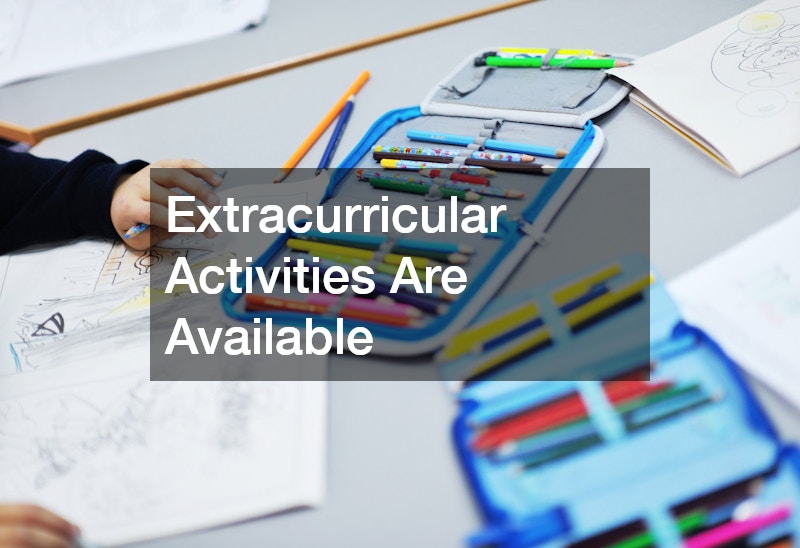
Extracurricular activities in elementary day schools are a vital component of the overall education experience, enriching students’ social and emotional development beyond the classroom. Commonly offered activities include sports teams such as soccer, basketball, and track, providing opportunities for students to develop physical skills and teamwork. Arts programs like choir, band, drama clubs, or art classes allow children to express creativity and gain confidence. Participation in these activities teaches children important life skills, including leadership, time management, and commitment. Schools also often provide clubs focused on specific interests like science, chess, gardening, or community service.
For many students, extracurricular activities are a chance to explore new interests and passions that may influence future career paths or hobbies. They are encouraged to collaborate with peers from different classes and grade levels, expanding their social networks and building lifelong friendships. These activities are usually led by enthusiastic teachers or community members who provide mentorship and guidance. In some cases, activities might involve competitions, exhibitions, or performances, offering students an opportunity to showcase their talents and hard work. The variety of activities available ensures that there is something for everyone, encouraging a culture of inclusivity and participation.
Additionally, schools might partner with local organizations or businesses to offer students unique learning experiences, such as field trips, workshops, or guest speaker events. This external engagement allows students to connect their school experiences with the broader community, opening their eyes to the possibilities and dynamics of the real world. Parents are often invited to support or attend these activities, further strengthening the community’s involvement in the educational environment. Overall, extracurricular activities are a fundamental aspect of elementary day schools, offering students valuable opportunities to grow both personally and academically.
How Is Student Progress Assessed?
Assessing student progress in elementary day schools involves a variety of methods to provide a comprehensive view of a child’s academic and social development. Teachers use formative assessments throughout the year, such as quizzes, classwork, and observations to gauge understanding and inform instruction. These ongoing assessments allow teachers to identify areas where students may need additional support or challenge, ensuring that differentiated learning needs are met effectively. Standardized testing, while less frequent, plays a role in evaluating cumulative knowledge and comparing performance against state or national benchmarks. However, teachers are mindful of using these results to support, not hinder, the educational experience.
In addition to academic evaluations, teachers also assess students’ social and emotional growth. Report cards and progress reports often include comments on behavior, participation, and personal development, providing a holistic view of the student’s school experience. Regular parent-teacher conferences offer a platform for discussing student progress, sharing observations, and collaborating on strategies to support learning both at school and at home. Some schools may also employ portfolios, allowing students to collect and reflect on their work over time, fostering self-assessment and personal growth. Collaborative assessment practices create a supportive learning environment that encourages students to take ownership of their learning journey.
The use of technology in classrooms has enhanced the assessment processes, offering tools for both teachers and students to track and analyze progress automatically. Digital platforms may provide immediate feedback, enabling students to understand their mistakes and learn from them in real-time. Empowering students with the tools to monitor their progress helps create a more engaged and proactive approach to learning. By building a comprehensive assessment model, elementary day schools ensure that they support student growth in all areas, aiming for not just academic excellence, but also well-rounded character development.
What Role Do Parents and Guardians Play?
Parents and guardians hold an integral role in the educational experience of elementary school students, acting as partners with schools to ensure the success and well-being of children. Active parent participation is encouraged and often facilitated through various school events, such as parent-teacher conferences, open houses, and volunteer opportunities. Schools may organize workshops or informational sessions to equip parents with the tools and strategies necessary to support learning at home. By maintaining open lines of communication, parents and teachers can work together to address any academic or behavioral concerns promptly. This partnership not only reinforces a consistent educational message but also fosters a sense of security and importance in the child’s learning environment.
Moreover, engaging with the school community helps parents build relationships with other families, enhancing social cohesion and support networks. Parent-teacher associations (PTAs) are common avenues for parents to contribute actively to the school environment, assist in organizing events, and even participate in decision-making processes. The cooperative dynamics between home and school can positively impact a child’s academic performance and social development. It promotes a community culture wherein parents feel invested in the school’s operations, and students recognize their parents’ commitment, which can boost motivation and engagement. Encouragement and support from both educators and parents are crucial in helping children navigate challenges and celebrate achievements.
For working parents, schools often offer flexible engagement options such as virtual meetings or online portals to access information regarding their child’s progress and school activities. Schools strive to accommodate diverse family situations, understanding the importance of maintaining parental involvement despite busy schedules. Parents who are well-informed about school activities can choose the level of involvement that aligns best with their capabilities. An inclusive approach ensures that every family has the opportunity to participate, regardless of their circumstances. In conclusion, parents and guardians are valuable allies in education, contributing to a comprehensive support system essential for every child’s success.
Elementary day schools play a crucial role in laying the educational foundation for children, promoting holistic development through structured routines and varied learning experiences. They are dynamic environments where students are supported by dedicated educators who understand the importance of meeting diverse learning needs. School days are thoughtfully organized to include a rich blend of academic instruction, extracurricular engagement, and social development opportunities. With the collaboration of parents and the use of comprehensive assessment methods, such schools ensure that each child’s strengths are maximized, and any challenges are addressed promptly. Through these efforts, elementary day schools significantly contribute to the academic success and personal growth of all students, preparing them for future educational endeavors and lifelong learning.