
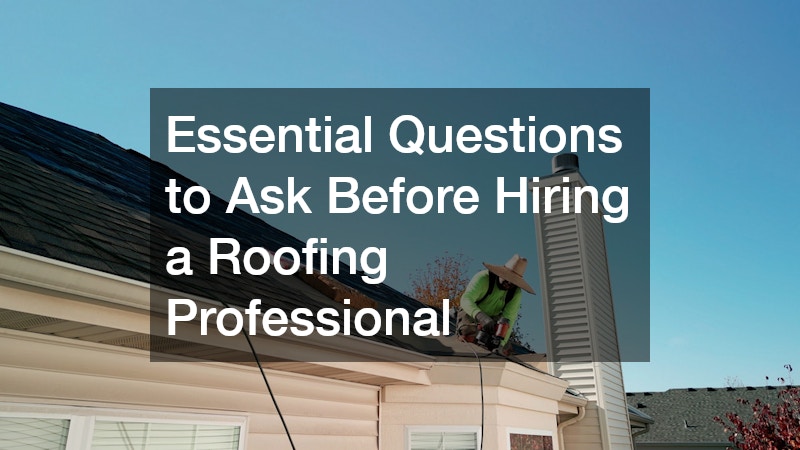
A home’s roof is its first and most important line of defense against the elements. It is a complex engineered system designed to shed water, withstand high winds, and provide thermal insulation for the living spaces below. Because a full replacement is one of the most significant financial investments a homeowner will ever make, the process of selecting a professional to perform the work should never be taken lightly. A high-quality installation can last thirty years or more, while a subpar job can lead to structural rot, mold growth, and interior property damage within just a few seasons.
The roofing industry, unfortunately, is often plagued by transient “storm chasers”—crews that move from city to city following major weather events, offering low prices and quick turnarounds. While these offers can be tempting, these outfits frequently lack the necessary insurance, local licenses, and long-term commitment required to honor a workmanship warranty. When a leak appears two years later, these contractors are often long gone, leaving the homeowner to pay for the repairs out of pocket.
To protect your home and your bank account, you must move beyond the initial price estimate and perform a deep dive into the technical and legal qualifications of your prospective contractor. This guide is designed to empower you with the specific, in-depth questions you need to ask to separate the true craftsmen from the amateurs. By the end of this discussion, you will have a comprehensive framework for vetting professionals, ensuring that your home remains safe, dry, and structurally sound for decades to come.
Confirming Valid Licenses and Comprehensive Insurance Coverage
The very first hurdle any professional must clear is the verification of their legal right to operate. Roofing is inherently dangerous work that involves high elevations, heavy materials, and specialized power tools. If a person is injured on your property or if your neighbor’s home is damaged during the project, you could be held legally and financially liable if your contractor does not carry the proper insurance.
When you begin your search, do not simply take a verbal “yes” for an answer. Request a physical folder containing their current business license and a Certificate of Insurance (COI). This certificate should be sent directly to you by their insurance agent to ensure it hasn’t been altered or allowed to lapse.
-
General Liability Insurance: This covers damage to your property. For example, if a heavy bundle of shingles is dropped and cracks your driveway or smashes a window, this policy pays for the repairs.
-
Workers’ Compensation: This is perhaps the most critical document. It covers the medical expenses and lost wages of any worker who is injured on your roof. Without it, a single slip-and-fall accident could result in a massive lawsuit against your homeowners’ insurance.
-
Local Business Licensing: Verify that the company is registered to do business in your specific municipality. A legitimate roofing contractor will have a permanent, physical office location rather than operating solely out of the back of a pickup truck.
As you evaluate different roofing businesses, look for those that have been established in your area for at least five to ten years. Longevity in the community is a strong indicator that the company honors its commitments and has built a stable foundation based on quality and trust.

Evaluating Specialist Training and Manufacturer Certifications
Not all roofing systems are created equal, and the techniques required to install them vary significantly. A professional should be able to discuss the nuances of various materials and explain why a specific system is best suited for your home’s pitch, the local wind patterns, and your budget. Furthermore, top-tier professionals often carry special certifications from the manufacturers of the products they install.
Manufacturer certifications, such as being a “Master Elite” or “Platinum” contractor, are not just marketing badges. These designations require the company to undergo rigorous third-party inspections and maintain a high credit rating. Often, these certifications allow the professional to offer enhanced warranties that a non-certified competitor simply cannot provide.
-
Ventilation Expertise: Ask for a detailed explanation of your attic ventilation. A roof that cannot “breathe” will trap heat and moisture, cooking the shingles from the inside out and voiding the material warranty.
-
Underlayment and Flashing: Discuss the “invisible” parts of the roof. High-quality synthetic underlayment is far superior to traditional felt paper, and new lead or copper flashing should always be used around chimneys and valleys rather than reusing old, rusted metal.
-
Drip Edge Installation: Ensure that a new drip edge is included. This small metal strip prevents water from wicking back under the shingles and rotting the wooden fascia boards.
While many general practitioners are comfortable with standard asphalt shingles, specialized metal roofing companies are required if you are considering a standing-seam or stone-coated steel system. These materials require specific tools and different expansion-contraction calculations. A company that provides comprehensive roofing services should be able to provide a technical breakdown of how their chosen system handles “ice damming” and high-heat cycles common in your region.
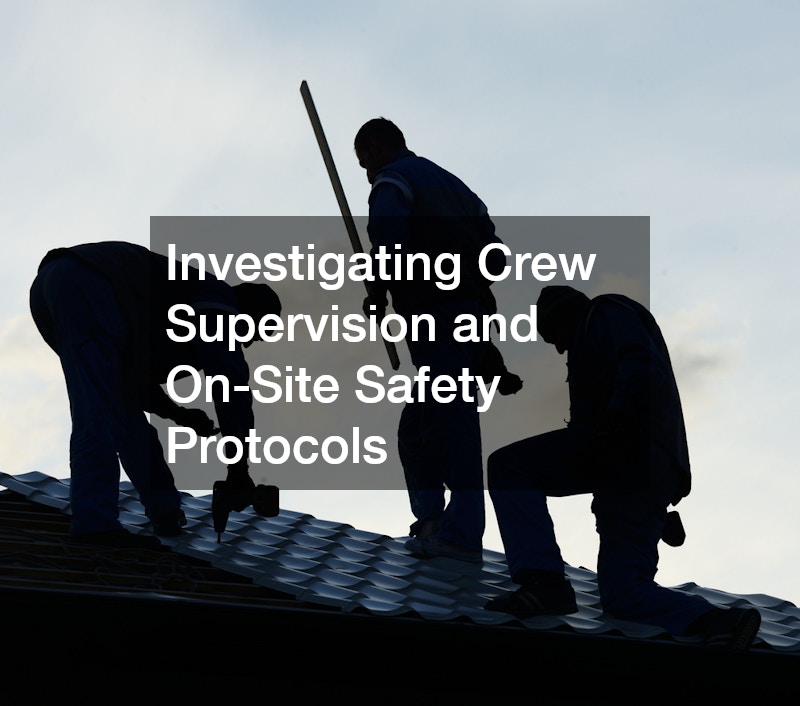
Investigating Crew Supervision and On-Site Safety Protocols
A common misconception in the industry is that the person who sells you the roof is the same person who will be installing it. In reality, many companies use separate crews, and some even hire temporary labor. You need to know exactly who will be on your property and who is responsible for the safety and quality of the work being performed every hour of the day.
Ask the professional about the structure of their crew. Ideally, you want a team that has worked together for several years and includes a designated, English-speaking on-site supervisor whose only job is to oversee the installation and ensure that every safety protocol is followed.
-
Subcontractors vs. Employees: Ask if the crew members are W-2 employees or 1099 subcontractors. Companies that use long-term employees generally have better control over quality and consistency.
-
Safety Equipment: Look for a commitment to OSHA standards. This includes the use of safety harnesses, “toe boards” to prevent sliding, and proper ladder tie-offs. A company that cuts corners on safety is likely to cut corners on your roof.
-
Property Protection: Ask how they plan to protect your landscaping, windows, and air conditioning units. Professional teams use specialized “catch-all” nets and plywood barriers to prevent falling debris from damaging your bushes and flowers.
Whether your project is a minor roof repair or a full-scale replacement, the human element is what determines the success of the job. When vetting local roofers, ask about the training programs they provide for their staff. A company that invests in its people is far more likely to produce a roof that stands the test of time.
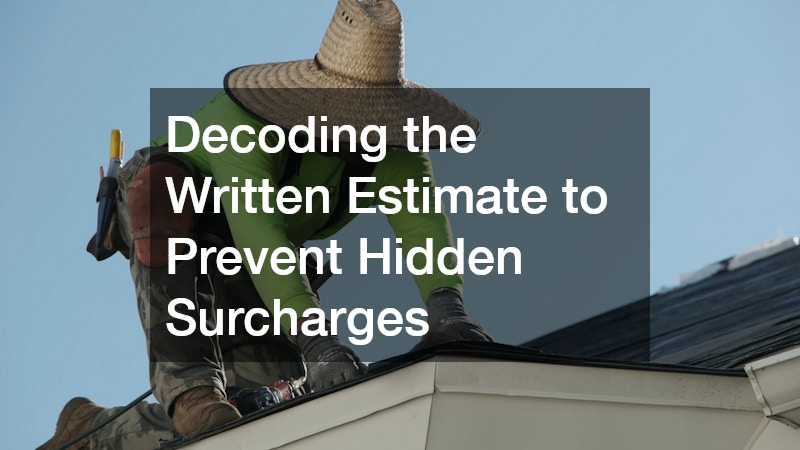
Decoding the Written Estimate to Prevent Hidden Surcharges
The financial aspect of a roofing project is often the most stressful part for a homeowner. To avoid “sticker shock” or mid-project disputes, every single detail of the project must be documented in a written contract. Verbal promises are unenforceable and often forgotten once the shingles start coming off.
A transparent estimate should be highly itemized. It shouldn’t just give a total price; it should list the specific brands of materials, the weight of the shingles, the type of nails being used, and the exact scope of the cleanup process.
-
Plywood Replacement Costs: One of the most common “hidden” costs is the replacement of rotted roof decking (plywood). The contract should state a clear “per sheet” price for any wood that needs to be replaced so you aren’t surprised when the bill arrives.
-
Permit and Disposal Fees: Ensure that the cost of the building permit and the rental of a debris dumpster are included in the quote.
-
Payment Milestones: Never pay the full amount upfront. A standard practice is a small deposit (10-25%) to schedule the work, with the balance due only after the job is finished, the yard is clean, and you have performed a final walkthrough.
A detailed quote for a new roof installation should also include the cost of removing the old layers of shingles. If a contractor suggests “roofing over” your old shingles to save money, walk away; this adds excessive weight to your home and prevents the professional from inspecting the wood underneath for rot. Requesting itemized bids from several local roofing contractors will help you identify which companies are providing the best value for your money.
Sourcing Verified References and Authentic Community Feedback
In the digital age, it is easy for a company to curate a shiny online image. However, the most reliable indicator of future performance is past behavior. You must look beyond the curated photos on a website and seek out authentic feedback from people in your own community who have lived with their roofs for several years.
When asking for references, don’t just ask for the most recent job. Ask for a client whose roof was installed five or ten years ago. This allows you to see how the roof has aged and whether the company was responsive if the homeowner had follow-up questions or minor issues after the initial check was cashed.
-
Third-Party Review Sites: Check the Better Business Bureau (BBB) for any unresolved complaints. Look at Google and Yelp, but pay closer attention to the “one-star” reviews than the “five-star” ones. How the company responds to a negative review tells you everything you need to know about their customer service.
-
Physical Drive-Bys: If a contractor gives you a list of local addresses, take an afternoon to drive by those homes. Look at the straightness of the shingle lines and the neatness of the flashing around the chimneys.
-
Local Community Forums: Check local social media groups or neighborhood apps. Ask your neighbors for their honest experiences—good or bad—with specific companies.
Finding a reliable local residential roofer often comes down to finding someone whose reputation is “neighborhood-tested.” By focusing on metal roofing companies that have survived multiple local storm seasons, you gain the assurance that they have the financial stability to be around in the future should you ever need to file a warranty claim.
Establishing Clear Expectations for Cleanup and Long-Term Protection
The work isn’t over just because the last nail has been driven into the ridge cap. The post-installation phase is where many contractors fail, leaving homeowners to find nails in their tires or debris in their gutters for months afterward. A professional should have a standardized “exit protocol” to restore your property to its original condition.
Finally, you must distinguish between the two types of protection you are receiving: the material warranty and the workmanship warranty. The material warranty is provided by the manufacturer (e.g., GAF, Owens Corning) and covers defects in the shingles themselves. The workmanship warranty is provided by the contractor and covers errors in the installation process.
-
Magnetic Nail Sweep: Demand that the crew performs multiple passes with a high-powered industrial magnet to collect any stray nails from your lawn, driveway, and flower beds.
-
Gutter Cleaning: Ensure that the contract specifies that all gutters will be cleaned of granules, shingle scraps, and old nails before the crew leaves the site.
-
Written Warranty Documents: Do not accept a verbal “I’ll stand by my work.” You should receive a signed, dated document outlining the length of the workmanship guarantee and the process for requesting a repair.
A high-quality roof is more than just shingles and wood; it is a long-term partnership between a homeowner and a professional. By asking these in-depth questions and refusing to settle for vague answers, you ensure that your investment is protected by a team that values integrity as much as they value craftsmanship. Taking the time to vet your options today is the only way to guarantee a leak-free and worry-free home for many years to come.