

Undertaking a complex construction project is an exciting but challenging endeavor. From commercial developments to large-scale residential renovations, the success of a project depends heavily on selecting the right professionals. Every contractor you bring on board plays a critical role in keeping the project on schedule, on budget, and compliant with safety and building standards. Poor choices can lead to delays, increased costs, safety issues, and substandard results that are costly to fix.
Selecting the right contractors requires a careful balance of research, planning, and evaluation. From structural and exterior specialists to heavy equipment operators and safety experts, each professional brings a unique skill set to the table. Coordinating these various teams effectively is key to achieving a seamless project flow. This guide offers actionable insights into how to evaluate and hire contractors for every phase of a complex construction project, including tips on budgeting, scheduling, and mitigating risks.
- Section 1: Evaluating Roofing and Exterior Specialists
- Section 2: Heavy Equipment and Lifting Capabilities
- Section 3: Hiring Specialized Contractors for Critical Operations
- Section 4: Fire Safety and Hazard Management
- Section 5: Site Assessment and Preparation
- Section 6: Coordinating Multiple Contractors
- Section 7: Verifying Credentials and References
- Section 8: Budgeting for Specialized Services
- Section 9: Identifying Red Flags and Warning Signs
- Section 10: Ensuring Long-Term Success
Section 1: Evaluating Roofing and Exterior Specialists
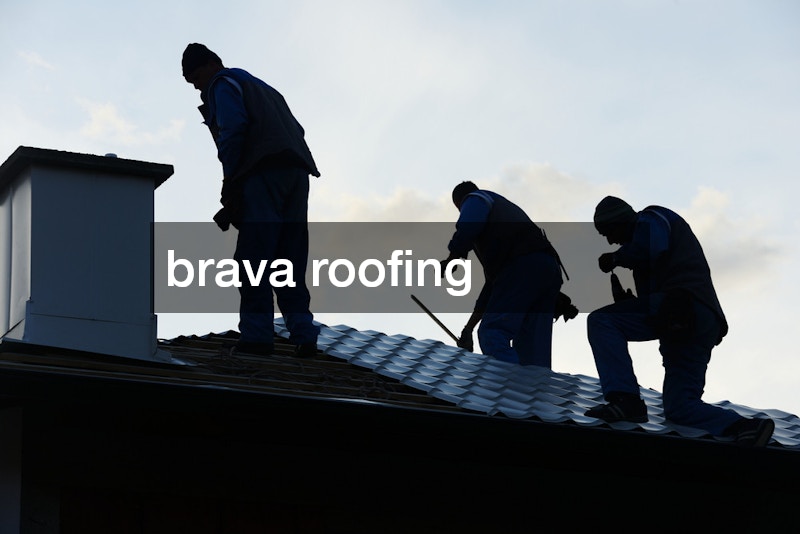
The exterior of a building is not just the face it presents to the world—it serves as a critical protective barrier against weather, moisture, and environmental wear. A poorly installed or low-quality roof can lead to water infiltration, structural damage, and reduced energy efficiency, all of which can cascade into costly repairs over time. Selecting skilled roofing professionals ensures your project is safe, durable, and visually appealing. While general roofing contractors can handle most standard projects, specialty providers like brava roofing bring expertise in high-performance materials, complex designs, and precision installation techniques that can significantly enhance the longevity and functionality of the structure.
How to Evaluate Roofing Companies

Choosing the right roofing contractor involves more than comparing quotes or availability. A thorough evaluation should consider multiple factors that directly affect quality, durability, and long-term performance:
-
Experience and portfolio: Look for completed projects that closely resemble your own in scale and complexity. Evaluate the quality of workmanship, attention to detail, and the contractor’s ability to execute challenging designs, such as steep slopes, unconventional shapes, or integrated skylights. Request before-and-after photos, and ask about any complications they resolved during past projects to gauge problem-solving skills.
-
Material expertise: Roofing materials vary widely in cost, durability, maintenance, and energy efficiency. Brava roofing, for instance, offers advanced systems such as coated metals or high-performance composites designed to resist corrosion, extreme weather, and thermal expansion. A roofing contractor should explain the pros and cons of different materials, including lifespan, environmental impact, and maintenance requirements. This ensures that the materials selected align with both your budget and long-term goals.
-
Warranty and insurance: Confirm that the contractor provides comprehensive warranties covering both labor and materials. Warranties protect your investment and provide recourse if issues arise after installation. Liability insurance is equally critical, safeguarding against property damage or accidents during installation. A contractor with strong coverage demonstrates professionalism and reduces risk exposure.
-
Client references and reputation: Client feedback is invaluable for assessing reliability, communication, and professionalism. Contact previous clients to ask about project timelines, responsiveness, and problem-solving capabilities. Supplement this with online reviews and independent ratings to form a well-rounded view of the contractor’s track record. A positive reputation often correlates with high-quality work and reliable project delivery.
Additional evaluation tips:
-
Request a detailed written estimate that itemizes materials, labor, permits, and additional costs.
-
Verify whether subcontractors will be used and if so, ensure their experience aligns with project needs.
-
Ask about project scheduling, including how weather or supply delays are handled.
Incorporating Metal Fabrications
Many roofing and exterior projects involve metal fabrications, which serve both functional and decorative purposes. These elements not only enhance durability but also elevate the visual appeal of the building. Examples of common applications include:
-
Custom gutters and downspouts: Properly designed and fabricated metal gutters efficiently channel water away from the building, preventing water infiltration and foundation erosion.
-
Decorative trim or fascia panels: These elements provide clean finishes and can be customized to match the architectural style of the building. They also protect edges, joints, and other vulnerable areas from weather damage.
-
Structural supports or brackets: Metal fabrications can strengthen overhanging sections of a roof, awnings, or facades, ensuring that high-traffic or heavy-load areas remain safe and stable.
Tips for integrating metal fabrications:
-
Request detailed quotes covering both fabrication and installation to avoid unexpected costs.
-
Verify the quality of materials, checking for corrosion resistance, thickness, and finish durability. Ask about any warranties or guarantees offered by the fabricator.
-
Coordinate timelines to align fabrication and installation with roofing work. Custom components often require longer lead times, and scheduling them correctly prevents project delays.
-
Discuss design integration with the roofing contractor to ensure all elements complement each other aesthetically and functionally.
By carefully evaluating roofing contractors and integrating metal fabrications, you ensure the exterior of your building is structurally sound, durable, and visually cohesive. Skilled professionals not only execute installation correctly but also provide guidance on materials, design, and safety, creating a strong foundation for the rest of your renovation or construction project.
Section 2: Heavy Equipment and Lifting Capabilities
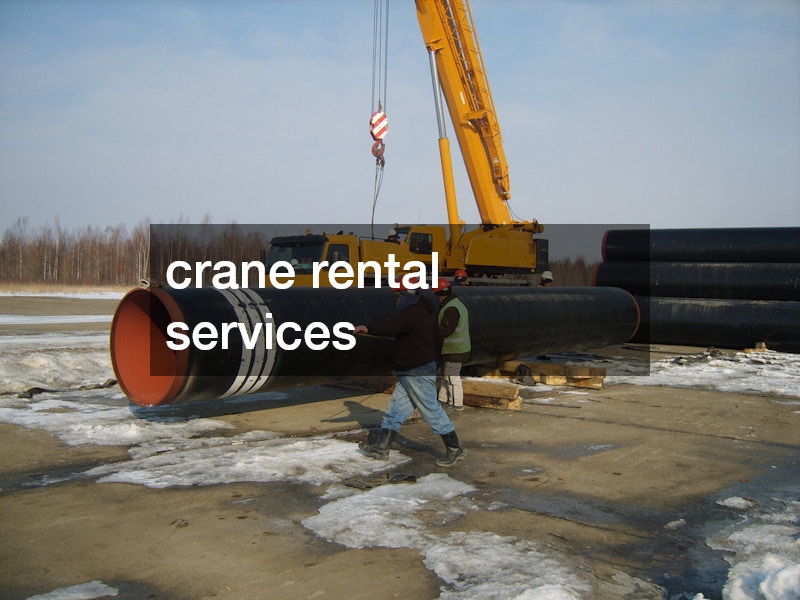
Large-scale construction projects often require specialized lifting capabilities. From moving steel beams to placing rooftop equipment, heavy lifting solutions are critical to both efficiency and safety. Choosing reliable providers ensures projects stay on schedule while minimizing risks.
Evaluating Crane Rental Services
Crane rental services provide access to a wide range of equipment without the expense of ownership. When evaluating providers, consider:
-
Equipment availability and capacity: Ensure the provider has cranes that meet the weight, reach, and height requirements of your project.
-
Operator experience: Skilled operators are essential for safe and precise lifts. Some providers supply certified operators, while others allow your team to operate rented equipment.
-
Safety record and insurance: Verify that the company adheres to OSHA standards and maintains proper liability coverage.
Selecting Heavy Lifting Solutions
Heavy lifting solutions go beyond cranes and can include hoists, forklifts, or specialized rigging. When choosing a provider, ensure they:
-
Conduct thorough site assessments before lifting operations
-
Provide equipment rated for the specific loads required
-
Offer consultation on sequencing lifts to maximize efficiency
Tips for coordinating heavy equipment use:
-
Schedule lifts in tandem with other trades to prevent delays
-
Include contingency plans for weather or equipment maintenance issues
-
Communicate clearly with all contractors about timing, safety zones, and load paths
Properly integrating crane rental services and heavy lifting solutions keeps your project on track while reducing the risk of accidents or damage to materials.
Section 3: Hiring Specialized Contractors for Critical Operations
Some projects require contractors with specialized expertise beyond standard services. Crane contractors and steel fabricators are essential for handling structural elements safely and efficiently.
When to Hire a Dedicated Crane Contractor
While rental services provide equipment, a crane contractor brings both the machine and the expertise to manage complex lifts. Their responsibilities often include:
-
Planning lifts based on structural requirements
-
Coordinating with other trades to avoid conflicts
-
Ensuring proper rigging, stabilization, and load distribution
Working with Local Steel Fabrication
Steel fabrication is often necessary for custom structural components, support beams, or decorative elements. Local steel fabrication shops can offer:
-
Custom cutting, bending, and assembly to match project specifications
-
Faster turnaround times and easier site communication
-
Collaboration with crane contractors to ensure safe placement of heavy steel elements
Tips for successful collaboration:
-
Verify certifications and past projects for both crane contractors and steel fabricators
-
Schedule lifts and installations sequentially to minimize downtime
-
Ensure clear communication about load weights, dimensions, and placement points
Specialized contractors play a critical role in ensuring your project’s structural integrity while maintaining efficiency and safety on site.
Section 4: Fire Safety and Hazard Management
Safety is non-negotiable on construction sites. Fire hazards and fuel systems require careful planning and oversight. Contractors experienced with fire safety equipment and propane service help protect both workers and property.
Implementing Fire Safety Measures
All contractors should be trained in fire prevention and equipped with the right safety tools. Key considerations include:
-
Equipment selection: Fire extinguishers, sprinkler systems, and alarms suitable for construction zones
-
Compliance: Meeting local fire codes and OSHA standards
-
Training: Ensuring staff knows how to respond to emergencies and operate equipment
Managing Propane Systems
Propane is often used for temporary heating or fueling equipment. Working with certified propane service providers ensures safe installation, handling, and monitoring of fuel systems. Best practices include:
-
Inspecting tanks and connections before use
-
Coordinating deliveries to avoid disruption of site activities
-
Maintaining safe distances from flammable materials and ignition sources
Tips for integrating safety and fuel management:
-
Schedule propane installations early in the project to prevent delays
-
Combine safety inspections with routine project walkthroughs
-
Keep detailed logs of equipment placement and training sessions
By prioritizing safety through proper equipment and certified service providers, you reduce the risk of accidents and protect your project timeline.
Section 5: Site Assessment and Preparation

A thorough site assessment lays the foundation for a successful project. Accurate land appraisals and proper preparation ensure structural integrity and efficient use of resources.
Conducting Land Appraisals
Before construction begins, land appraisals provide essential insights:
-
Property boundaries and easements
-
Soil quality, drainage, and stability
-
Legal or zoning restrictions affecting construction
Professional appraisals help avoid costly mistakes and support informed decision-making.
Working with Driveway Paver Companies
Driveway and pavement installations often follow grading and structural work. Selecting a reputable driveway paver company ensures durability and aesthetics:
-
Evaluate past projects for quality and longevity
-
Confirm experience with the chosen materials, such as asphalt, concrete, or stone
-
Coordinate installation timing with site grading and utility placement
Tips for effective site prep coordination:
-
Schedule paver installation after heavy equipment and steel placement to prevent damage
-
Include contingencies for weather or material delivery delays
-
Align with grading, drainage, and utility plans for consistent results
Proper site assessment and preparation streamline construction while safeguarding long-term project success.
Section 6: Coordinating Multiple Contractors
Complex projects require careful scheduling and communication to avoid conflicts between trades. Strategies include:
-
Developing a phased timeline with sequential and overlapping tasks
-
Setting clear responsibilities for each contractor
-
Utilizing project management software to track progress and communicate changes
-
Holding regular check-ins to identify bottlenecks and adjust workflows
-
Documenting milestones to ensure accountability
Effective coordination minimizes downtime, prevents scheduling conflicts, and ensures a smooth workflow.
Section 7: Verifying Credentials and References
Hiring qualified contractors is critical to avoiding legal or financial complications. Key steps include:
-
Checking licenses, insurance coverage, and certifications
-
Requesting client references and contacting previous project owners
-
Reviewing online ratings and independent reviews
-
Confirming warranties, guarantees, and post-construction support
-
Ensuring compliance with local building codes and industry standards
Diligent verification safeguards your investment and increases the likelihood of a high-quality result.
Section 8: Budgeting for Specialized Services
Complex projects often involve higher costs for specialized services. Key budgeting considerations include:
-
Allocating funds for crane rental services, heavy lifting solutions, and crane contractors
-
Budgeting for brava roofing, roofing contractors, and local steel fabrication
-
Including costs for safety equipment, propane service, and driveway paving
-
Adding a contingency fund for delays, unforeseen repairs, or material changes
-
Negotiating milestone-based payments to align cash flow with progress
Proper budgeting ensures that specialized services are integrated seamlessly without financial strain.
Section 9: Identifying Red Flags and Warning Signs
Recognizing warning signs early prevents costly issues:
-
Lack of licensing, certification, or insurance
-
Vague estimates or unclear scopes of work
-
Poor communication, missed deadlines, or unprofessional behavior
-
Negative reviews or unresolved complaints from past clients
-
Pressuring for upfront payments without contracts
Address issues promptly or consider replacement to maintain quality and safety.
Section 10: Ensuring Long-Term Success
To ensure long-term project success:
-
Prioritize thorough planning and careful contractor selection
-
Maintain clear communication and documentation across all trades
-
Monitor safety and compliance throughout the project
-
Review milestones and adjust schedules proactively
-
Maintain detailed records of inspections, permits, and approvals for future reference
These strategies help deliver a durable, safe, and aesthetically successful construction project.
Choosing the right contractors is one of the most critical decisions in complex construction projects. By carefully evaluating credentials, coordinating schedules, verifying references, and budgeting for specialized services, project owners can reduce risks, maintain timelines, and achieve high-quality results. Strategic planning, diligent oversight, and clear communication ensure that even large-scale, complicated projects proceed smoothly, resulting in a safe, functional, and visually appealing property.