
When homeowners think about increasing property value, their minds often drift to the dramatic transformations seen on television: knocking down walls to create open-concept living spaces, installing waterfalls in the backyard, or cladding the entire kitchen in imported Italian marble. While these projects are exciting and visually stunning, they are not always the smartest financial moves. In fact, according to annual cost vs. value reports, many high-cost aesthetic renovations recover only a fraction of their expense when it comes time to sell. A fifty-thousand-dollar kitchen remodel rarely adds fifty thousand dollars to the appraisal price, especially if the rest of the home has deferred maintenance issues.
True value—the kind that withstands market fluctuations and rigorous home inspections—is built on the invisible but essential “bones” of a house. It is found in the structural integrity, the efficiency of the systems, and the overall maintenance of the property. When a potential buyer walks through a home, they are looking for reassurance as much as they are looking for beauty. They want to know that the house has been cared for, that they won’t be facing catastrophic repair bills in their first year of ownership, and that the fundamental components of the building are sound.
The smartest home improvements are often those that eliminate friction. They remove the “buts” from a buyer’s mind. You never want a buyer to say, “I love the house, but the roof looks old,” or “The kitchen is great, but the driveway is crumbling.” By focusing on restoring and modernizing key functional areas, you not only increase the appraisal value but also the marketability of the home. A move-in-ready home commands a premium because it offers peace of mind.
This guide explores the high-return investments that prioritize function over flash. We will look at how fortifying the exterior, optimizing energy efficiency, and modernizing safety systems can yield a significant return on investment. Whether you are planning to sell in six months or simply want to protect your asset for the future, these are the improvements that truly matter.
Table of Contents
Maximize First Impressions with Curb Appeal Strategy
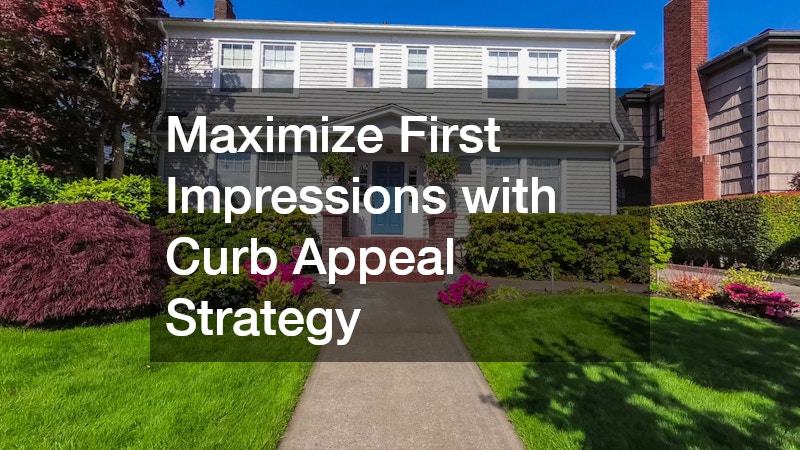
The concept of “curb appeal” is often reduced to planting a few colorful hydrangeas or painting the front door a trendy color. While these touches help, true curb appeal is about signaling that the property is well-maintained from the moment the tires hit the driveway. The exterior of your home sets the psychological baseline for the rest of the tour. If the exterior is neglected, buyers will subconsciously assume the interior systems have been ignored as well. You have roughly seven seconds to make a good first impression, and those seconds usually tick away while the buyer is walking up the path to your front door.
The Psychology of the Driveway
The driveway is one of the largest visual elements of your home’s frontage, frequently occupying up to 30% of the visual field when viewing the house from the street. Yet, it is frequently ignored until it actively crumbles. A cracked, graying, or pothole-ridden driveway screams deferred maintenance. It suggests that the current owner didn’t care enough to maintain the basics, which immediately puts a buyer on the defensive. They start looking for what else is broken before they even enter the foyer.
For asphalt driveways, maintenance is critical. Over time, sunlight oxidizes the asphalt binder, turning the rich black surface to a brittle gray. Water infiltration then causes cracks that expand during freeze-thaw cycles, leading to structural failure. If your driveway is showing significant signs of wear, alligator cracking (interconnected cracks resembling reptile scales), or deep potholes, a simple DIY seal coat from a bucket might not be sufficient. That approach often looks patchy and cheap, which can actually detract from the value.
In cases where the structural base is compromised or the surface is heavily degraded, hiring a professional asphalt paving service is a strategic investment. A completely resurfaced or freshly paved driveway provides a crisp, clean black line that contrasts beautifully with green grass and landscaping, instantly making the home look newer and higher-end. It functions as a visual cue of quality that buyers register before they even step out of the car. It transforms the approach to the home from a bumpy, neglected path into a smooth, welcoming entrance. This singular improvement can dramatically alter the appraisal of the home’s exterior condition.
The Garage as a Primary Entry Point
In modern living, the garage is often the true front door. It is how the homeowners enter and exit daily, and it serves as the primary storage hub for the family. For a potential buyer, the garage represents security for their vehicles and overflow space for their lives. However, nothing kills the positive vibe of a home tour faster than a garage door that screeches, shudders, or gets stuck halfway up the tracks.
The garage door is also a massive moving wall; depending on the design of the house, it can be a dominant architectural feature. If it looks battered, dented, or operates poorly, it degrades the entire façade. Before listing a home, it is crucial to conduct a thorough audit of your garage door system. You should check for specific issues:
- Noise levels: Does the door scream when opening? This suggests worn rollers or a lack of lubrication on the hinges.
- Balance: If you disconnect the opener and lift the door manually, does it stay in place? If it slams down or shoots up, the torsion springs are under the wrong tension.
- Safety compliance: Do the photoelectric eyes reverse the door immediately if something blocks the path?
If there are issues, scheduling a garage door repair is essential. A technician can lubricate the tracks with the proper non-silicone grease, replace dangerous high-tension springs, adjust the limit switches, and ensure the motor runs silently. This small repair ensures that when a buyer presses the button during a showing, the response is smooth, quiet, and reliable, reinforcing the feeling of a well-oiled machine. It turns a potential annoyance into a seamless convenience.
Landscaping and Hardscaping Cohesion
Once the driveway and garage are addressed, ensure the connecting elements are sound. Walkways should be level to avoid trip hazards, and retaining walls should be checked for leaning. These “hardscape” elements are expensive to fix if they fail, so verifying their stability is key to assuring buyers that the landscaping is an asset, not a liability. Simple pressure washing of walkways can also restore the brightness of concrete or pavers, matching the fresh look of the driveway. When the hardscape is clean and the mechanical entry points work flawlessly, the buyer can focus on the beauty of the garden rather than the cost of repairs.
Fortify the “Envelope”: Roof and Weatherproofing
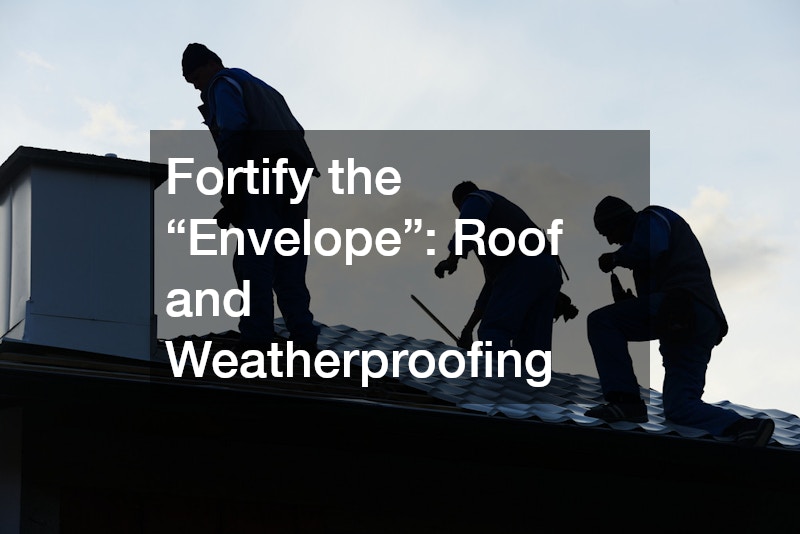
If the foundation is the feet of the house, the roof is the helmet. It is the primary defense against the elements, protecting the framing, insulation, and interior finishes from rain, snow, wind, and sun. Consequently, it is arguably the single most scrutinized feature during a home inspection. A compromised roof is the number one reason pending home sales fall through. Buyers are terrified of water damage, and rightly so—it is destructive, expensive to fix, and conducive to mold growth.
The Roof is the Deal-Breaker
Many homeowners operate under the false belief that if a roof isn’t actively leaking water onto the dining room table, it is in “good condition.” However, home inspectors look for subtle signs of failure that indicate the roof is nearing the end of its life. These signs include curling shingles, significant granule loss (which exposes the asphalt to UV damage), rusted flashing, and sagging roof decks. Even if the roof isn’t leaking today, these signs tell a buyer that they will need to spend $15,000 or more in the very near future.
If your roof is nearing the end of its lifespan but isn’t quite ready for a full, expensive replacement, you must address these minor defects proactively. This is where a targeted approach works best. Instead of assuming you need a new roof, bring in a qualified roof repair service to conduct a comprehensive “tune-up.”
A professional tune-up typically includes:
- Shingle Replacement: Swapping out individual damaged or missing tabs that have blown off in storms.
- Boot Resealing: Replacing cracked rubber boots around plumbing vents, which are the most common leak point on any roof.
- Flashing Repair: Securing loose metal flashing around chimneys, valleys, and wall intersections.
- Nail Pop Fixes: Driving in and sealing nails that have backed out due to thermal expansion.
This maintenance can often extend the certified life of the roof by several years. Being able to present a receipt for recent professional maintenance reassures buyers that the roof has been inspected and serviced, alleviating their fears of an immediate replacement bill. It changes the narrative from “this roof is old” to “this roof is well-maintained.”
Addressing Leaks and Moisture Management
Water is the enemy of home value. Even small, historical leaks can leave tell-tale stains in the attic or on ceilings that spook buyers. If you find evidence of past or current leaks, you must fix the source and the cosmetic damage.
Simply painting over a water stain is a major red flag; it looks like a cover-up and will make inspectors dig deeper. You must fix the underlying issue first. Whether it is a popped nail hole, a wind-damaged ridge vent, or a cracked tile, precise roofing repair is required. Once the repair is complete and water-tested, you can then repair the drywall and paint.
Keep a detailed record of the repair work. Transparency is a selling point. Telling a buyer, “We had a small leak in 2023, here is the invoice from the professional who fixed the flashing, and it hasn’t leaked since,” transforms a potential negative into a demonstration of responsible homeownership. It shows you manage the property proactively rather than reactively. It proves that you don’t let problems fester.
Gutters and Drainage
A sound roof cannot function without good drainage. Ensure your gutters are clean, pitched correctly toward the downspouts, and firmly attached to the fascia. Downspouts should extend at least four to six feet away from the foundation. Water pooling near the foundation can lead to basement leaks and hydrostatic pressure issues, which will significantly devalue the property. Ensuring this system works harmoniously with your roof is the final step in weatherproofing the envelope.
Optimize Natural Light and Window Efficiency
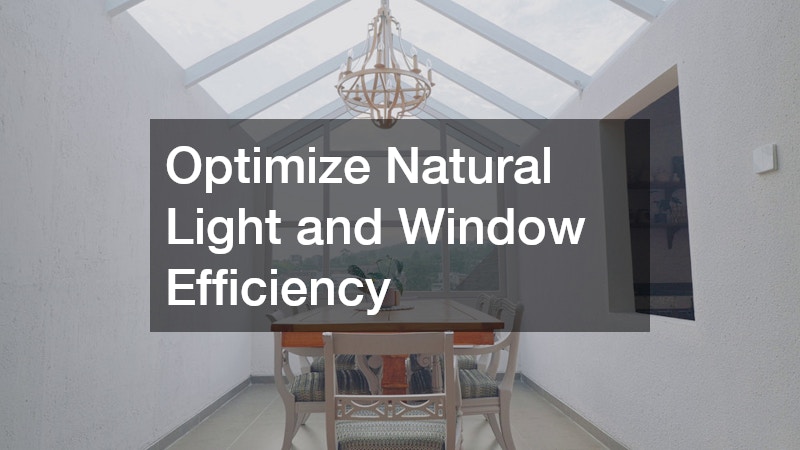
Windows are the eyes of the home. They dictate how light enters the space and how energy leaves it. In the quest for property value, windows play a dual role: they are aesthetic features that frame views and functional components that insulate the home. Old, drafty, or foggy windows are major detractors that make a home feel neglected, dark, and dated. Replacing all windows in a home is incredibly expensive, often costing tens of thousands of dollars, but leaving broken windows is not an option.
The Value of Clear Views
One of the most common issues in homes aged 15 to 20 years is seal failure in double-pane windows. Double-pane windows rely on a sealed space between two layers of glass, often filled with inert gas like argon or krypton, to provide insulation. When the seal breaks due to age or thermal stress, moisture enters the space between the panes. This creates a permanent fog, condensation, or a “blown” look that cannot be wiped off.
This not only obstructs the view but also indicates that the insulating gas has escaped, reducing the window’s energy efficiency (R-value). Many homeowners assume the only fix is to rip out the entire window frame and install new windows. However, this is rarely necessary for ROI. A far more cost-effective strategy is window repair. Specialists can replace just the “insulated glass unit” (IGU)—the glass part—while leaving the existing vinyl, wood, or aluminum frame intact.
This process restores the window’s thermal performance and visual clarity for a fraction of the price of full replacement. It makes the glass look brand new. Additionally, fixing stuck sashes, broken locks, or torn screens removes petty annoyances that buyers might use to negotiate the price down. A window that glides open smoothly and locks securely signals security and quality.
Luxury Lighting Features
Natural light is consistently ranked as a top priority for homebuyers. It makes spaces feel larger, cleaner, and more inviting. Features like skylights can be massive selling points, adding architectural interest and flooding dark hallways or bathrooms with sunlight. However, a skylight is a double-edged sword: if it looks dirty, cracked, or shows signs of leaking, it becomes a liability rather than an asset.
Inspect your overhead glazing carefully. You should look for specific defects:
- Water Staining: Check the drywall shaft leading up to the skylight for yellow or brown rings.
- Condensation: Look for trapped moisture between the skylight panes, similar to standard windows.
- Cracks: Inspect the acrylic dome or glass for stress cracks caused by hail or age.
If you spot these issues, immediate action is required. Skylight repair is often straightforward—sometimes involving resealing the flashing kit (the metal collar that connects the skylight to the roof) or replacing the acrylic dome. Ensuring your skylights are watertight and crystal clear allows you to market them as a luxury feature. A well-maintained skylight is a “wow” factor; a leaking one is a “walk away” factor.
Draft Proofing and Efficiency
Beyond the glass itself, consider the air tightness of your windows. Drafty windows force your heating and cooling systems to work harder, leading to higher bills that savvy buyers will notice. Replacing weatherstripping and caulking around exterior window frames are low-cost DIY tasks that yield high returns in comfort and energy audit scores. When a potential buyer stands near a window on a cold day, they shouldn’t feel a breeze.
Modernize Climate Control and Air Quality

In a post-pandemic real estate market, the emphasis on indoor air quality and reliable climate control has never been higher. Homebuyers are looking for homes that are healthy and comfortable sanctuaries. The HVAC (Heating, Ventilation, and Air Conditioning) system is the heart of the home’s comfort, and its condition is a major factor in the valuation of a property. A modern, clean, and serviced system suggests a home that is efficient and cheap to run.
The Heart of Home Comfort
An ancient furnace or a rattling air conditioner is an immediate “subtract $10,000 from the offer” thought for a buyer. While you don’t always need to install a brand-new system to sell, you do need to prove that the existing system is reliable and safe. A neglected HVAC system suggests that the filters haven’t been changed, and the ducts are full of allergens and dust.
Before listing, hire a professional to perform comprehensive HVAC repairs and maintenance. This “clean and check” service should go beyond just changing a filter. It should include:
- Blower Motor Cleaning: Removing dust buildup that causes overheating and strain.
- Heat Exchanger Inspection: Checking for cracks, which is a critical safety task to prevent carbon monoxide leaks.
- Thermostat Calibration: Ensuring the temperature on the wall matches the temperature in the room.
- Coil Cleaning: Removing debris from the evaporator and condenser coils to improve efficiency.
Ask the technician to place a service sticker on the unit with the date and their company contact info. When a buyer walks into the utility room and sees a sticker from last month, they see a homeowner who cares. It provides assurance that the system has plenty of life left in it and won’t fail on move-in day. It removes the mystery of the machine’s condition.
Cooling Specifics
For homes in regions with hot summers, the air conditioning unit is under the microscope. An inefficient AC unit that runs constantly but fails to dehumidify the air makes a home feel sticky and uncomfortable during showings. Noise is also a factor; a compressor that sounds like a jet engine taking off will ruin the tranquility of the backyard and can be heard inside the house.
If your unit is struggling, bring in a specialist for AC repair. Often, issues with cooling are due to minor, fixable problems such as low refrigerant levels, a failing capacitor, or a dirty condenser coil. Fixing these specific issues can restore the unit’s efficiency and quiet operation.
Furthermore, if you have a modern programmable or smart thermostat, ensure it is fully integrated with the system. Buyers love the idea of “smart climate control” that saves them money on utility bills, but the hardware has to work flawlessly to claim that value. Demonstrating that the AC cools the home quickly and quietly is essential for closing the deal in warmer months. A cool home during a summer open house is a silent salesman.
Ductwork and Insulation
The best HVAC unit in the world cannot compensate for leaky ducts. Ensure that visible ductwork in basements or attics is sealed with mastic or foil tape. This small improvement increases airflow to the living spaces and reduces energy waste, a strong talking point for energy-conscious buyers. It shows that you have paid attention to the efficiency of the entire system, not just the main unit.
Ensure Safety Compliance and Functional Amenities

The final category of high-ROI improvements revolves around safety and functionality. These are the “adult” features of a home. While they aren’t sexy like a new granite countertop, they are critical. A home that is electrically unsafe or has a fire hazard will struggle to pass inspection, and insurance companies may even refuse to cover it, making the home effectively unsellable to buyers using a mortgage.
Electrical Safety and Modernization
Our reliance on electricity has skyrocketed in the last two decades. We have more devices, electric vehicles, and high-draw appliances than ever before. An electrical system stuck in the 1980s (or earlier) is a major bottleneck. Buyers look for grounded outlets, modern breaker panels, and GFCI (Ground Fault Circuit Interrupter) protection in wet areas like kitchens, baths, garages, and outdoors.
If you have outlets that don’t hold plugs tightly (loose tension), lights that flicker when the vacuum turns on, or ungrounded three-prong outlets, you need professional electrical repair. Do not attempt DIY electrical work; the liability is too high, and it is dangerous. A licensed electrician can upgrade your outlets, balance the load in your breaker panel, and ensure all safety standards are met.
Key upgrades to consider:
- GFCI Installation: Essential for any outlet within 6 feet of water sources. This is a common code requirement that inspectors always check.
- Panel Labeling: A clearly labeled breaker box is a sign of a well-organized home. It saves the buyer from guessing which switch controls the kitchen.
- Fixture Tightening: Loose sconces or chandeliers feel cheap and broken; secure them properly so they don’t wobble.
Additionally, consider adding whole-house surge protection. It is a relatively low-cost upgrade that protects the buyer’s expensive electronics, adding a layer of modern value to the home’s infrastructure.
The Fireplace Factor
A fireplace is often the focal point of a living room—a romantic feature that buyers dream of curling up next to in the winter. However, from an inspection standpoint, a fireplace is a controlled fire inside the house, and it is treated with extreme caution. Soot buildup (creosote), cracked flue tiles, or a damaged chimney crown can lead to chimney fires or carbon monoxide leaks.
To capitalize on the value of a fireplace, you must prove it is safe. Schedule a chimney sweep and inspection before you list. If the inspection reveals structural issues, invest in chimney repair. This might involve relining the flue with stainless steel or repairing the mortar on the exterior stack (tuckpointing).
Once the work is done, you can market the home as having a “fully functional, safety-certified fireplace.” This transforms a scary unknown into a cozy asset. If the fireplace is gas, ensure the pilot light works, and the logs are arranged correctly for a clean burn. A working fireplace adds emotional value that can tip a buyer’s decision in your favor.
Conclusion
Increasing property value is not about chasing the latest interior design trends or installing gold-plated fixtures. It is about stewardship. It is about presenting a home that functions as it should—warm in the winter, cool in the summer, safe, dry, and efficient.
When you invest in the “unseen” elements of a home, you are investing in the confidence of your future buyer. A buyer who sees a new driveway, a serviced roof, clear windows, and a quiet HVAC system sees a home that is ready for living, not a project list waiting to happen. These smart improvements reduce the friction of the sale, justify a higher asking price, and ultimately, put more money in your pocket at the closing table.
Start with a critical walk-through of your property today. Look past the decor and focus on the systems. Make a list of the repairs you have been putting off, and prioritize them based on safety and structural integrity. By tackling these issues now, you are building genuine equity that will pay dividends when it matters most.